Chocolate lovers know that a single bar can bring a smile, but a well‑packaged chocolate gift basket turns that smile into a full‑blown grin. Packaging isn’t just a wrapper; it’s the first conversation with the recipient, the guardian of freshness, and the storyteller of your brand. In this article we’ll unpack the science, the art, and the practicalities that make packaging a critical component of chocolate gift baskets.
The First Impression: Packaging as a Visual Hook
When someone opens a chocolate gift basket, the first thing they see is the packaging. This visual cue sets the tone for the entire experience.
Color and Design Speak Volumes
- Rich, warm hues evoke comfort and indulgence. Metallic accents suggest premium quality. Minimalist layouts appeal to modern, design‑savvy buyers.
A study shows that 70% of consumers make a purchase decision within the first 30 seconds of seeing a product. So, if your packaging doesn’t immediately communicate “delicious” and “premium,” you’re losing out before the chocolate even arrives.
Storytelling Through Packaging
Your packaging can tell a story—whether it’s the origin of the cacao, the artisanal process, or a personal message. A well‑crafted narrative turns a simple gift into a memorable experience.
> “The best gifts are those that bring joy, not just to the recipient but also to the giver.” – Anonymous
Protecting the Sweetness: Functional Packaging Matters
Beyond aesthetics, packaging must protect the chocolate’s integrity.
Temperature Control
Chocolate is notoriously temperature‑sensitive. Packaging that incorporates insulated liners or temperature‑stable materials helps keep the chocolate at the optimal 20–22°C, preventing bloom and preserving flavor.
Physical Protection
- Soft padding prevents crushing during transit. Rigid boxes guard against impact. Tamper‑evident seals reassure buyers of product safety.
A recent anecdote: A small boutique in Asheville once shipped a chocolate basket to a client in Florida. The package arrived a day later, and the chocolate had melted into a sticky mess. The customer was understandably upset, and the boutique’s reputation suffered. That incident underscored the importance of packaging that can withstand varying climates.
Brand Storytelling: Packaging as an Extension of Identity
Your brand’s personality should shine through the packaging design.
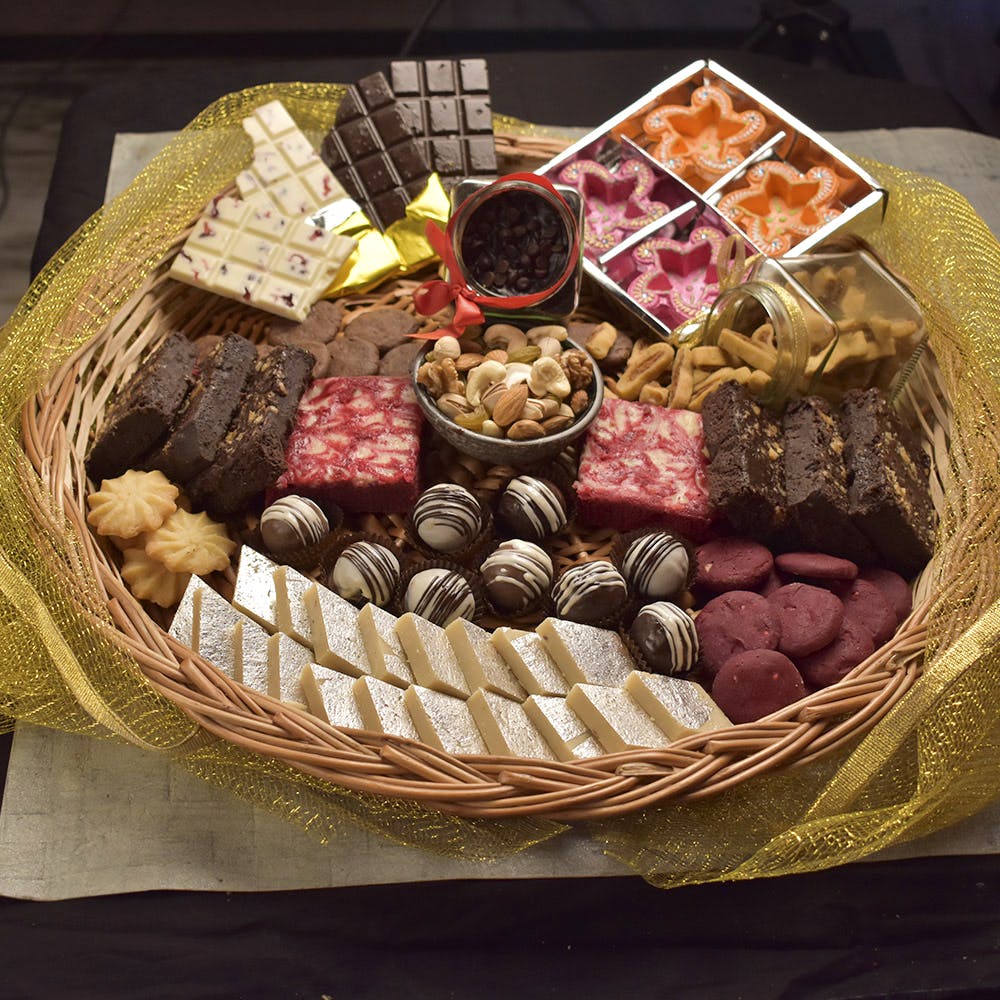
Consistent Visual Language
Use brand colors, fonts, and imagery across all packaging to create a cohesive look. Consistency builds trust and recognition.
Personal Touches
Add a handwritten note, a custom ribbon, or a small token that reflects the recipient’s interests. These details make the basket feel personalized, not generic.
Eco‑Friendly Messaging
Sustainability is a growing consumer priority. Highlighting eco‑friendly materials—recycled cardboard, biodegradable inks—can resonate strongly with conscientious buyers.
Practical Considerations: Cost, Scalability, and Convenience
Packaging decisions Helpful site often involve balancing cost and quality.
Cost‑Effective Materials
- Corrugated cardboard is sturdy yet inexpensive. Paperboard offers a premium feel without breaking the bank.
Scalability
For larger orders, consider packaging that can be automated or assembled quickly without sacrificing quality.
Consumer Convenience
- Easy‑to‑open designs reduce frustration. Reusable or refillable packaging appeals to eco‑friendly customers and can create repeat business.
Eco‑Friendly Options: Sustainable Packaging for Modern Givers
Sustainability isn’t just a buzzword; it’s a tangible advantage in today’s market.
Recycled and Recyclable Materials
- Post‑consumer recycled cardboard reduces the need for virgin fibers. Biodegradable films eliminate plastic waste.
Compostable Wrappers
Some companies use plant‑based films that compost in commercial facilities, giving customers a guilt‑free gifting experience.
Carbon‑Neutral Shipping
Partner with logistics providers that offset emissions, and let your packaging reflect that commitment through clear labeling.
Making Your Selection Count
Choosing the right packaging for chocolate gift baskets is a strategic decision that blends aesthetics, protection, brand storytelling, practicality, and sustainability. When you align these elements, you create a package that not only protects the chocolate but also enhances its perceived value.
Consider this: a beautifully packaged basket can command a higher price point and increase customer satisfaction, turning a one‑time purchase into a repeat customer. Think of packaging as the bridge between your product and the recipient’s heart—stronger, more colorful, and more resilient.
Ready to elevate your chocolate gift baskets? Start by evaluating your current packaging: Does it protect the chocolate? Does it tell Cheese and chocolate your brand’s story? Is it eco‑friendly? Small tweaks can lead to big wins—so put your best “face” forward and let your packaging do the talking.